Epoxy Floors · Concrete Layton
Epoxy Garage Floor Coatings in Layton, UT
A ground, repaired and coated garage floor that shrugs off salt, slush and hot tires. Get a free estimate.
Epoxy Garage Floors across Weber, Davis and Box Elder counties
Free Garage Floor Estimate
Describe what you'd like built, roughly how big, and the town it's in. You'll get a callback from the contractor to go over the details and book a visit.
- Free estimates
- Residential and commercial
- Layton and nearby towns
- Built for Utah winters
Takes about a minute. Photos and rough sizes help.
Epoxy Garage Floors
Epoxy Garage Floor for Layton, UT
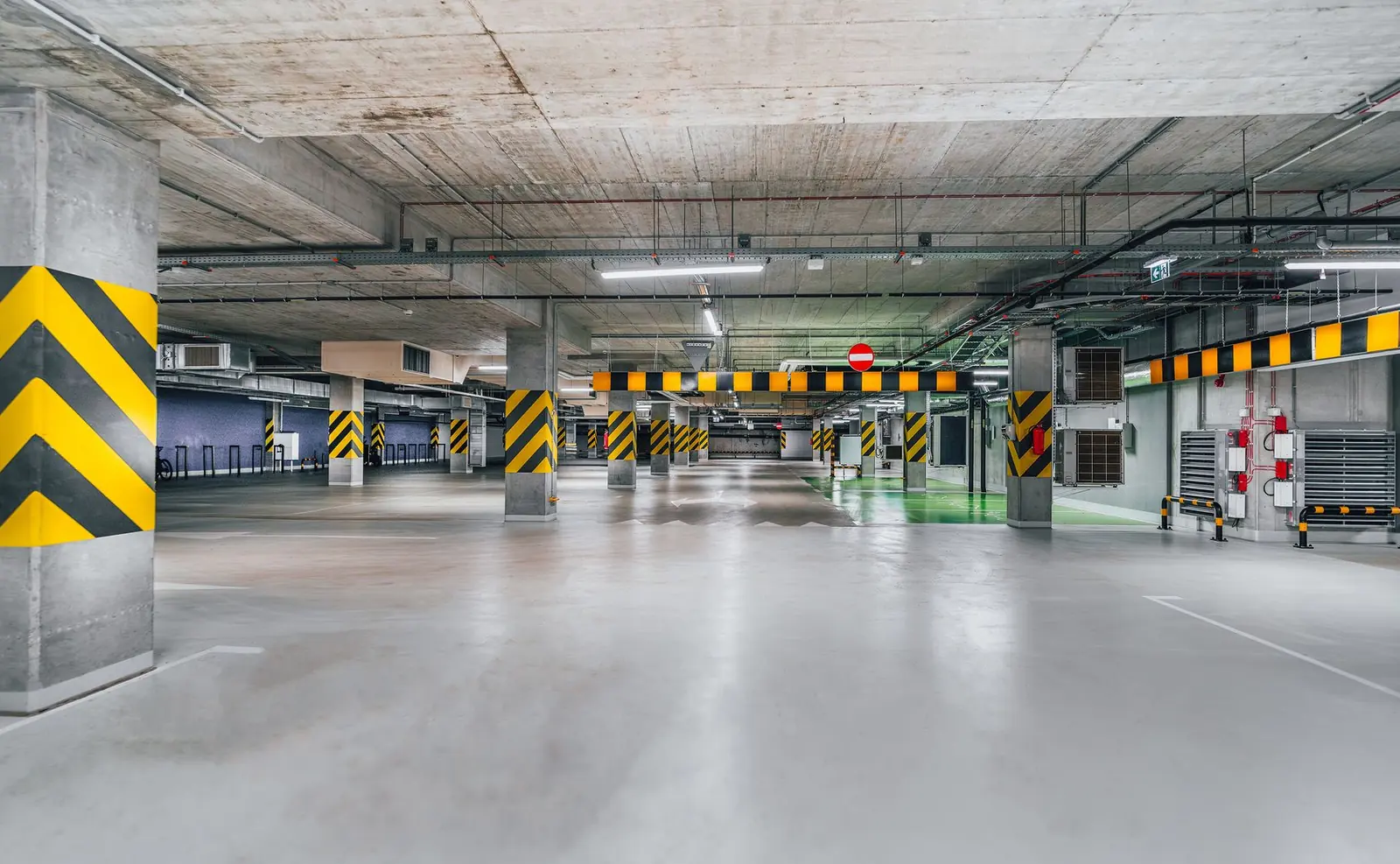
In a Layton garage, the floor takes more abuse than the driveway. All winter, cars roll in carrying slush loaded with road salt and brine, it melts into puddles, and over a few seasons bare concrete pits, stains and starts to flake. A properly installed epoxy coating seals that surface off. It also turns the garage into a space you'd actually want to use: a home gym, a workshop, a place for the bikes with room left to work. Speckled flake or a solid color? That choice shapes both the look and how much cleaning the floor will ask of you.
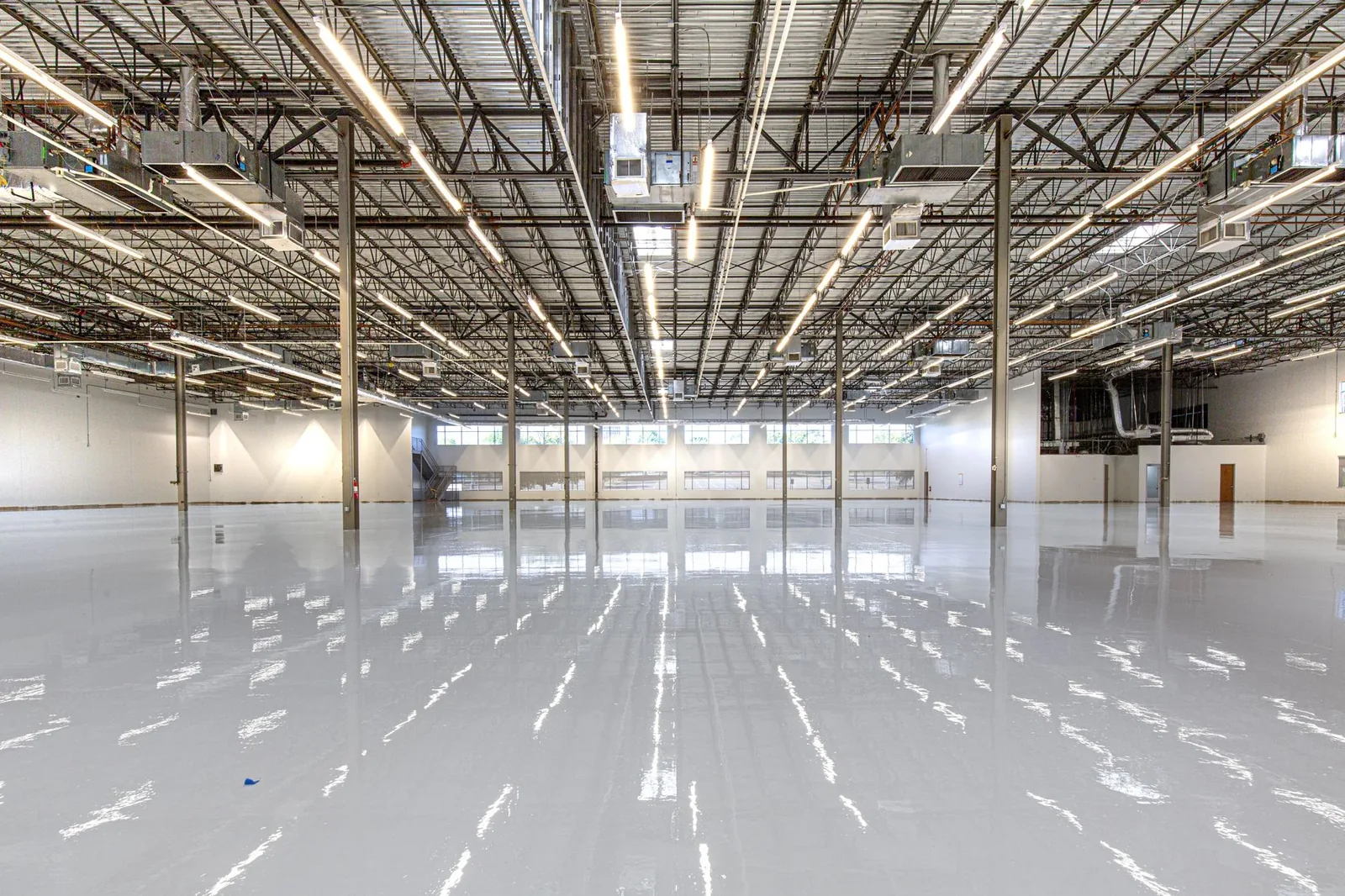
The difference between a floor that lasts and one that peels comes down to prep. We diamond-grind the slab rather than relying on an acid wash, so the coating has an open, rough surface to bite into. The slab gets a moisture check, cracks and spalled spots get filled, and then the base coat goes down. Flake broadcast into the wet coat adds grip and hides dust and drips; a solid color looks crisp but shows more. A durable clear topcoat finishes the job. Kits from the hardware store skip most of these steps, which is why they lift under hot tires.
What's included
What goes into epoxy garage floors
- 01
Diamond grinding
Mechanical grinding that removes old sealers and opens the concrete so the coating bonds.
- 02
Crack and spall repair
Filling cracks, pits and salt-damaged spots so the finished floor is smooth and even.
- 03
Moisture testing
Checking the slab for vapor coming up from below, which can push a coating off.
- 04
Flake epoxy systems
A base coat with full or partial flake broadcast in your choice of color blend.
- 05
Solid color coatings
Clean, single-color floors for workshops and home gyms, with an anti-slip additive if you want more grip.
- 06
Protective topcoat
A clear, hard-wearing top layer that resists hot tires, salt and oil, and holds its color in the sun near the door.
How it works
How a garage floor job works
- 1
Clear and inspect
You empty the garage, and the slab is checked for moisture, cracks, old coatings and oil stains.
- 2
Grind and repair
Diamond grinding opens the surface, then cracks and spalls are filled and ground flush.
- 3
Coat and broadcast
The base coat goes down and flake is broadcast to your chosen coverage, then the loose flake is scraped and vacuumed once it hardens.
- 4
Topcoat and cure
A clear topcoat seals everything in; foot traffic is usually fine in about a day, while cars wait several days.
Questions
Epoxy Garage Floors FAQs
Can a garage floor be coated during a Utah winter?
Yes, if the garage can be warmed. Coatings need the slab and the air above it to stay above a minimum temperature to cure properly, so in cold months the space gets heated before and during the work. Spring and fall are the easiest seasons, and summer jobs start early before the garage heats up.
What affects the cost of an epoxy garage floor?
Floor size, condition and the system you pick. A floor with lots of cracks, pitting from salt or an old coating to grind off takes more prep, and full flake coverage uses more material than a light broadcast. Coating the stem walls or choosing a heavier topcoat also changes the scope.
How do I get my garage ready for a coating?
Mostly by clearing it out. Shelving, cars and stored items need to come out, and it helps to mention any past oil spills, sealers or paint on the floor, since those affect grinding. A brand-new slab typically needs about a month of curing before it's ready to coat.
Flake or solid color: which is better for a garage?
For most garages, flake. It hides dust, salt residue and small imperfections, and the texture gives tires and shoes more grip on wet days. Solid color looks sleek in a gym or workshop but shows every drip and scuff, so it suits people who don't mind cleaning more often.
Why do DIY garage coatings peel?
Mostly because of prep. Kit coatings are usually rolled over an acid-washed or simply cleaned slab, which leaves little for the coating to grip, and hot tires then pull it loose. Moisture coming up through an untested slab and thin, soft coatings add to the problem.
Related work
You might also be planning
Driveways
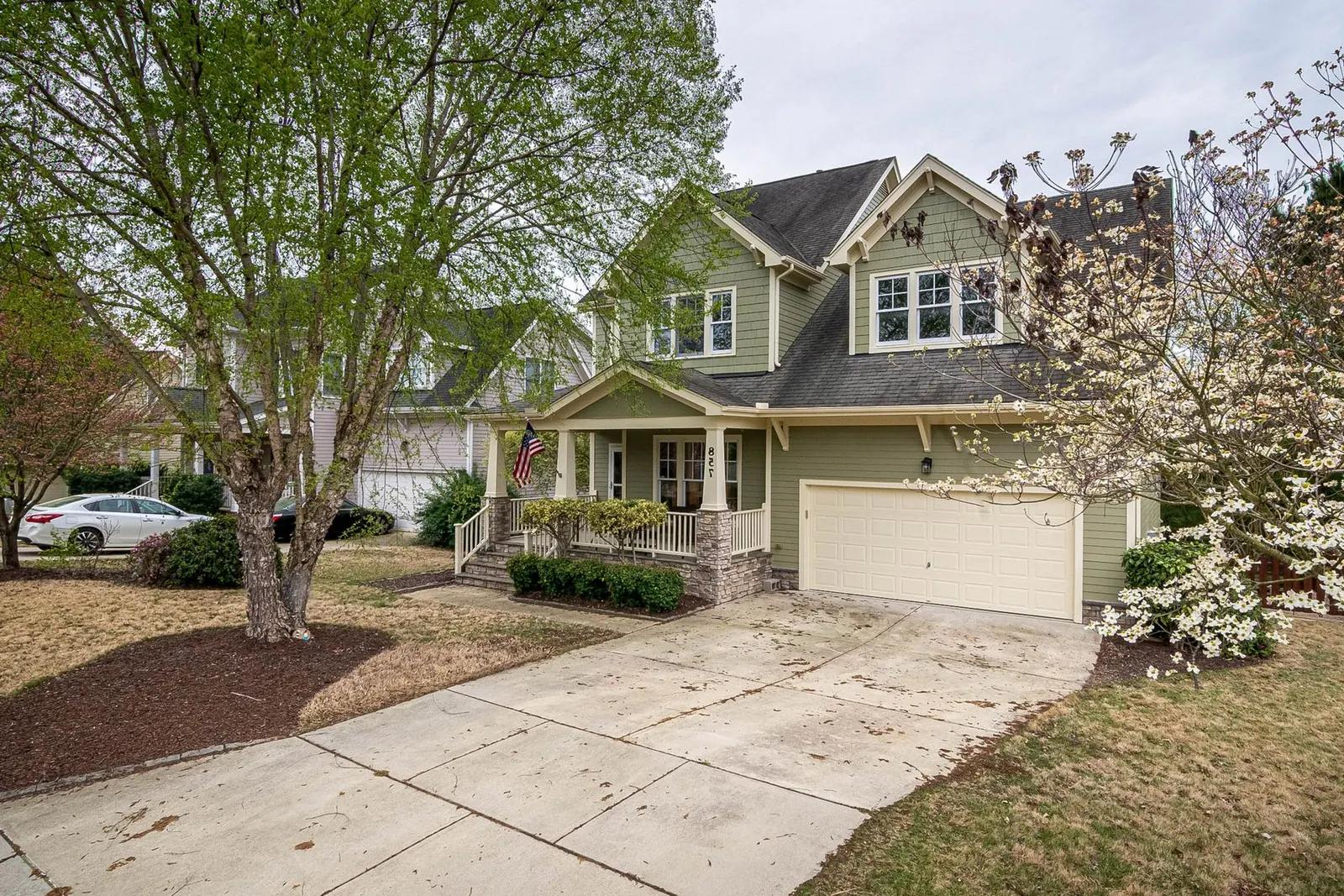
New driveways, widenings, replacements and RV pads, laid out around what you park and built to handle salt and frost.
More on Driveways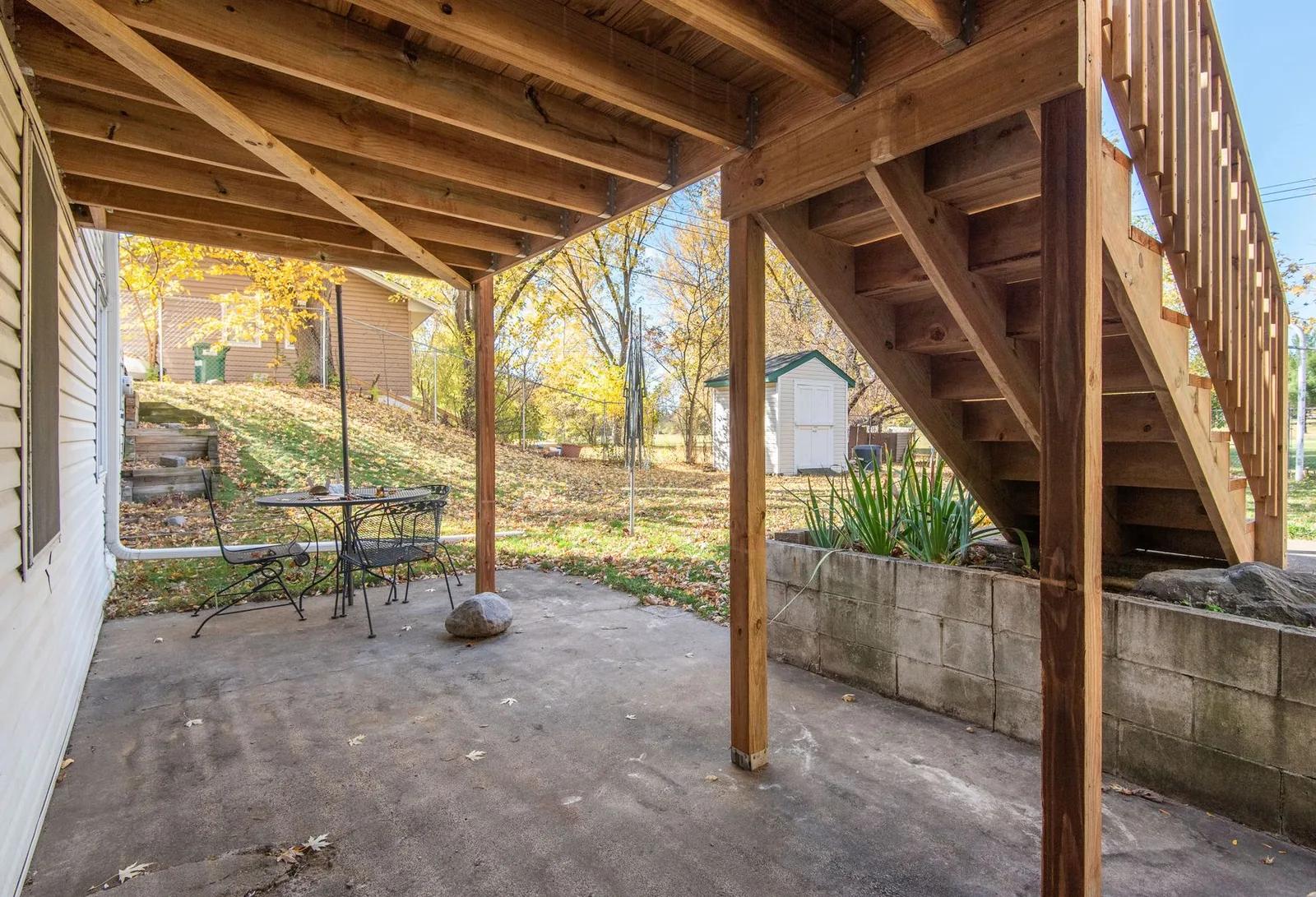
Patios
Back yard patios sized for real furniture, with room for the grill, a hot tub pad and a finish that suits the house.
More on Patios
Sport Courts
Reinforced court slabs for pickleball, basketball and multi-sport play, sized to your yard and laid out for the sun.
More on Sport Courts
Where we work
Epoxy Garage Floors in these towns
We build epoxy garage floors in Layton and across these northern Utah towns.
Davis County
Weber County
Morgan County
Box Elder County
Ready to price your garage floor?
Describe what you'd like built, roughly how big, and the town it's in. You'll get a callback from the contractor to go over the details and book a visit.