Stamped · Concrete Layton
Stamped Concrete Contractor in Layton, UT
Slate, stone and wood-plank looks in colored concrete, sealed for Utah sun and salt. Get a free estimate.
Stamped Concrete across Weber, Davis and Box Elder counties
Free Stamped Project Estimate
Describe what you'd like built, roughly how big, and the town it's in. You'll get a callback from the contractor to go over the details and book a visit.
- Free estimates
- Residential and commercial
- Layton and nearby towns
- Built for Utah winters
Takes about a minute. Photos and rough sizes help.
Stamped Concrete
Stamped Concrete Contractor for Layton, UT
Stamped concrete is where a slab turns into a design choice. Color goes in one of two ways: integral color mixed through the whole batch, which hides chips well, or a color hardener broadcast and troweled into the top for richer, deeper tones. A release agent in a second shade then settles into the low spots of the pattern, giving the antiqued look that makes slate or cobblestone read as the real thing. Patterns run from ashlar slate and random flagstone to wood plank and running bond brick, and a smooth or broom-finished border band frames the field with a clean edge.
Northern Utah is tough on decorative concrete, so the details matter. The sun at this elevation fades strong colors, which is why earth tones and a UV-resistant sealer age better than bright reds. A sealed, patterned surface can get slick with frost or pool water, so a fine grit goes into the sealer on steps, walks and pool decks. Plan on resealing every two to three years, and more often on a stamped driveway that takes winter brine from the car. What do you get in return? A surface that looks custom, with the strength of plain concrete underneath.
What's included
What goes into stamped and decorative concrete
- 01
Stamped patios
Patterned patios in slate, flagstone, brick or wood-plank looks, colored to suit the siding and roof.
- 02
Pool decks
Textured, sealed decks with grit added to the sealer for footing around the water.
- 03
Walkways and steps
Front walks and entry steps with a pattern or border that ties into the patio or driveway.
- 04
Driveway borders and accents
A stamped band along a broom-finished driveway, for curb appeal without stamping the whole slab.
- 05
Color and antiquing
Integral color, color hardener and release agents layered for depth and a natural-stone feel.
- 06
Cleaning and resealing
Washing and resealing a faded stamped surface to bring back color and protection.
Ideas
Stamped Concrete: what they can look like
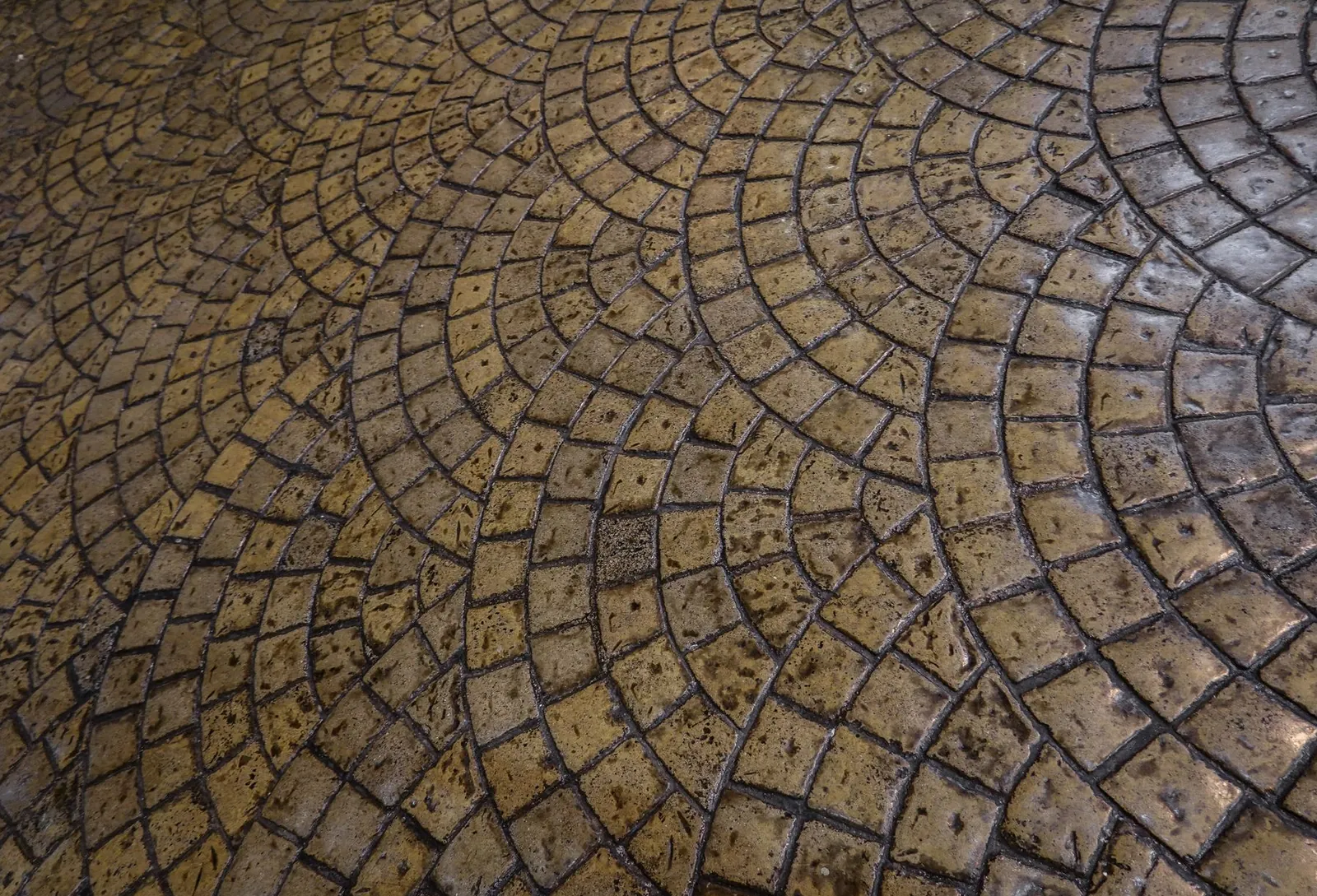
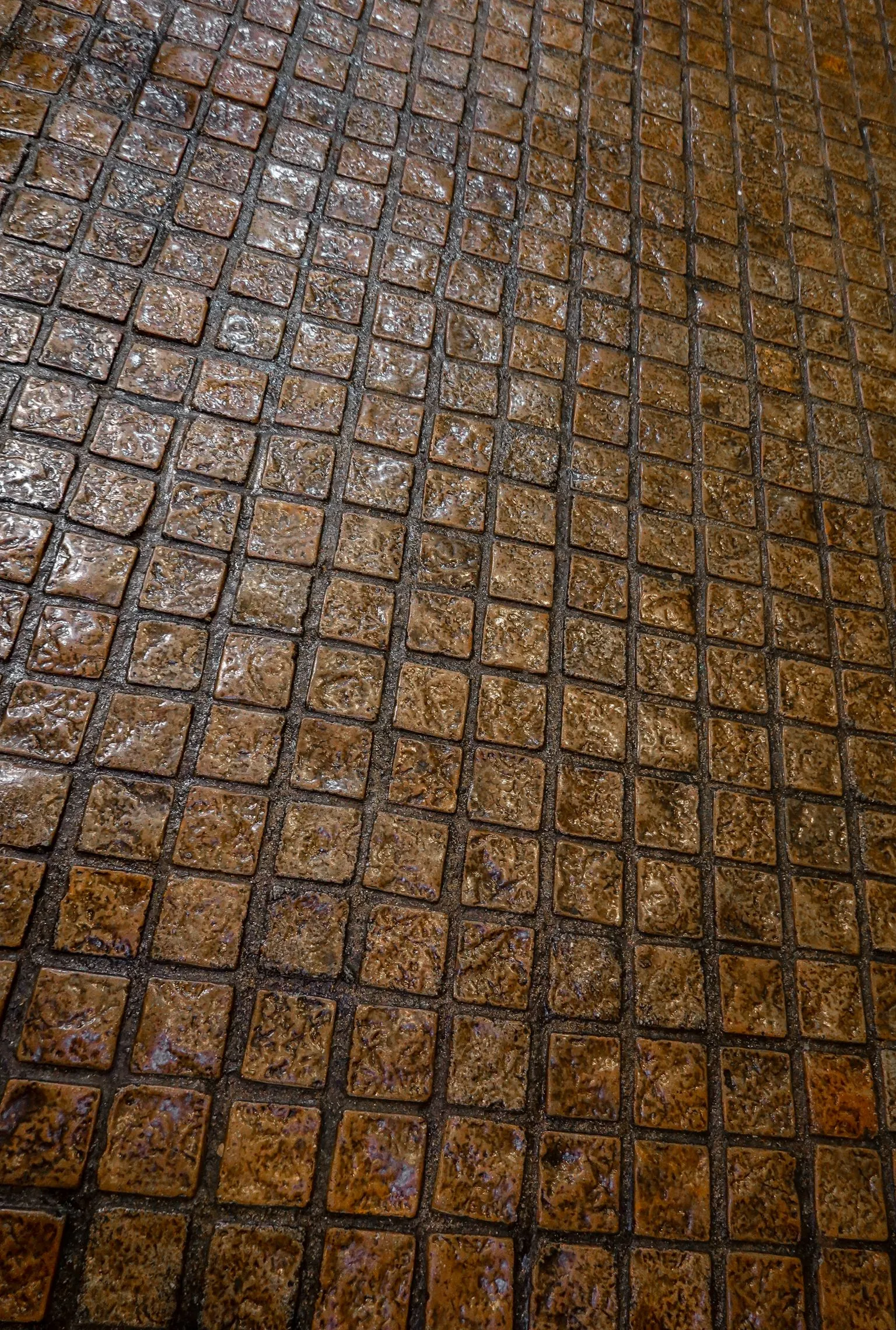
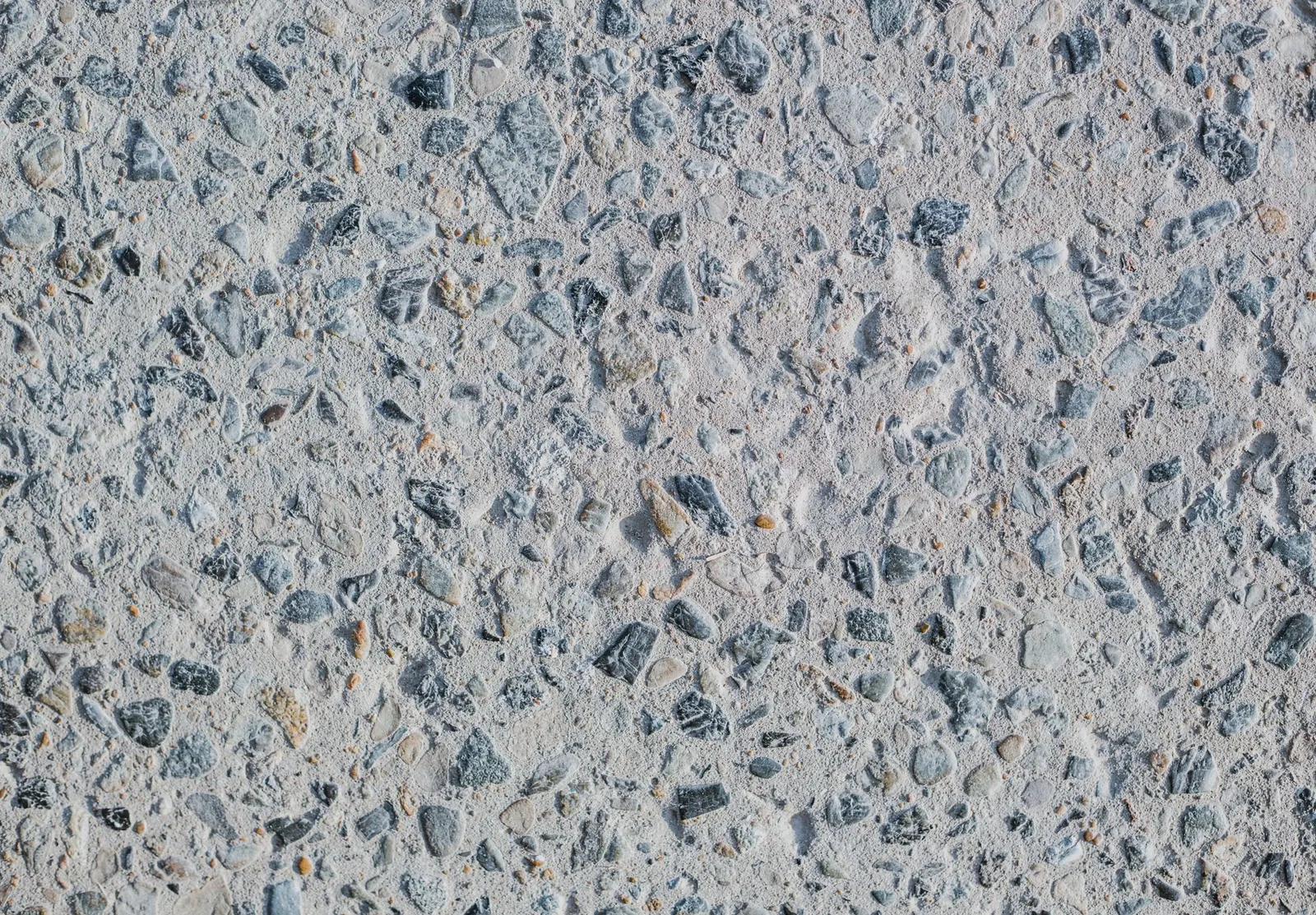
Example photos of this kind of concrete work.
How it works
How a stamped project job works
- 1
Pick a pattern and palette
We go over pattern options and color samples next to your siding, roof and any stone on the house.
- 2
Prep and pour
Base, forms and steel go in like any slab, with color added in the mix or broadcast on the fresh surface.
- 3
Stamp on time
Texture mats are pressed in as the concrete firms up, a window that hot, dry or windy weather can shorten.
- 4
Wash and seal
Joints are sawn along pattern lines, and once the slab cures the leftover release is washed off and the first coat of sealer goes on.
Questions
Stamped Concrete FAQs
Will stamped concrete hold up to freeze-thaw and road salt?
Yes, when it's air-entrained, properly cured and kept sealed. The sealer is the first defense against water and salt soaking into the surface, so a stamped driveway or walk needs resealing on schedule, and using sand instead of salt on it the first winter helps a lot. Flaking on decorative work usually traces back to skipped sealing or salt applied too early.
Why does a stamped patio run higher than plain concrete?
It takes more material, more labor and tighter timing. Color, release agents and sealer add to the material list, and stamping is a race against the clock that needs extra hands on pour day. A border-only design or a single accent area gives some of the look with less labor, and you can see it priced both ways at the estimate.
Does my HOA need to sign off on stamped colors?
Many do, especially in newer subdivisions where front yards are meant to look consistent. Bring your HOA's design guidelines to the estimate, and you'll leave with color samples and a pattern name to include in the request. Back yard patios often have more freedom, but ask before the pour.
Is stamped concrete slippery?
It can be when wet or frosty, because sealer fills in some of the texture. A deeper-textured pattern and an anti-slip grit mixed into the sealer make a real difference, and both are wise on steps, walks and pool decks. Very smooth, glossy finishes look great in photos but are a poor choice for an icy front walk.
Can stamped concrete go next to my existing patio?
Yes, though matching old color exactly is hard because concrete weathers. A deliberate contrast usually looks better, like a stamped border or a new zone in a complementary color, separated by a joint or a band. That turns old and new into one design instead of an obvious patch.
Related work
You might also be planning
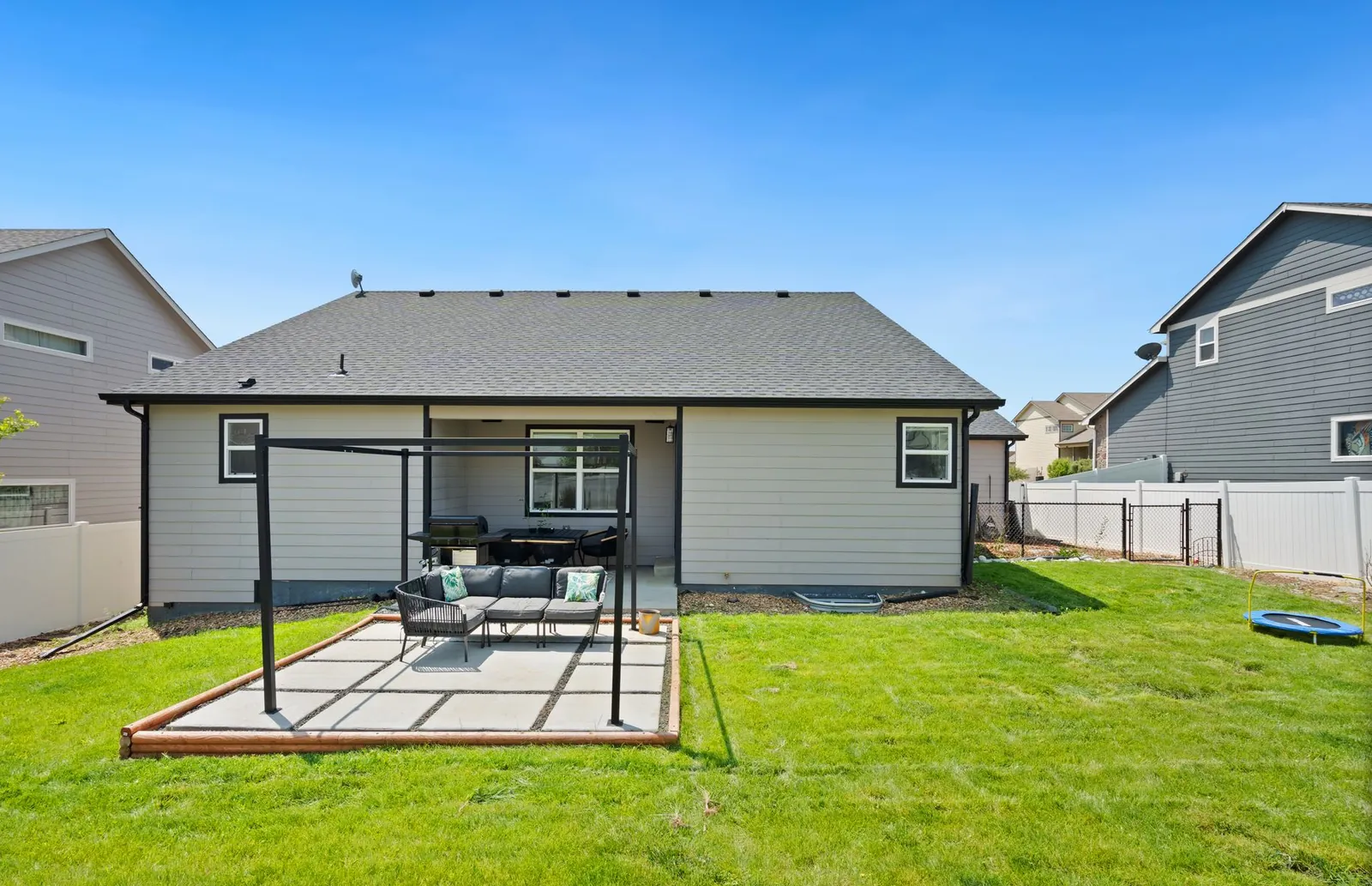
Patios
Back yard patios sized for real furniture, with room for the grill, a hot tub pad and a finish that suits the house.
More on Patios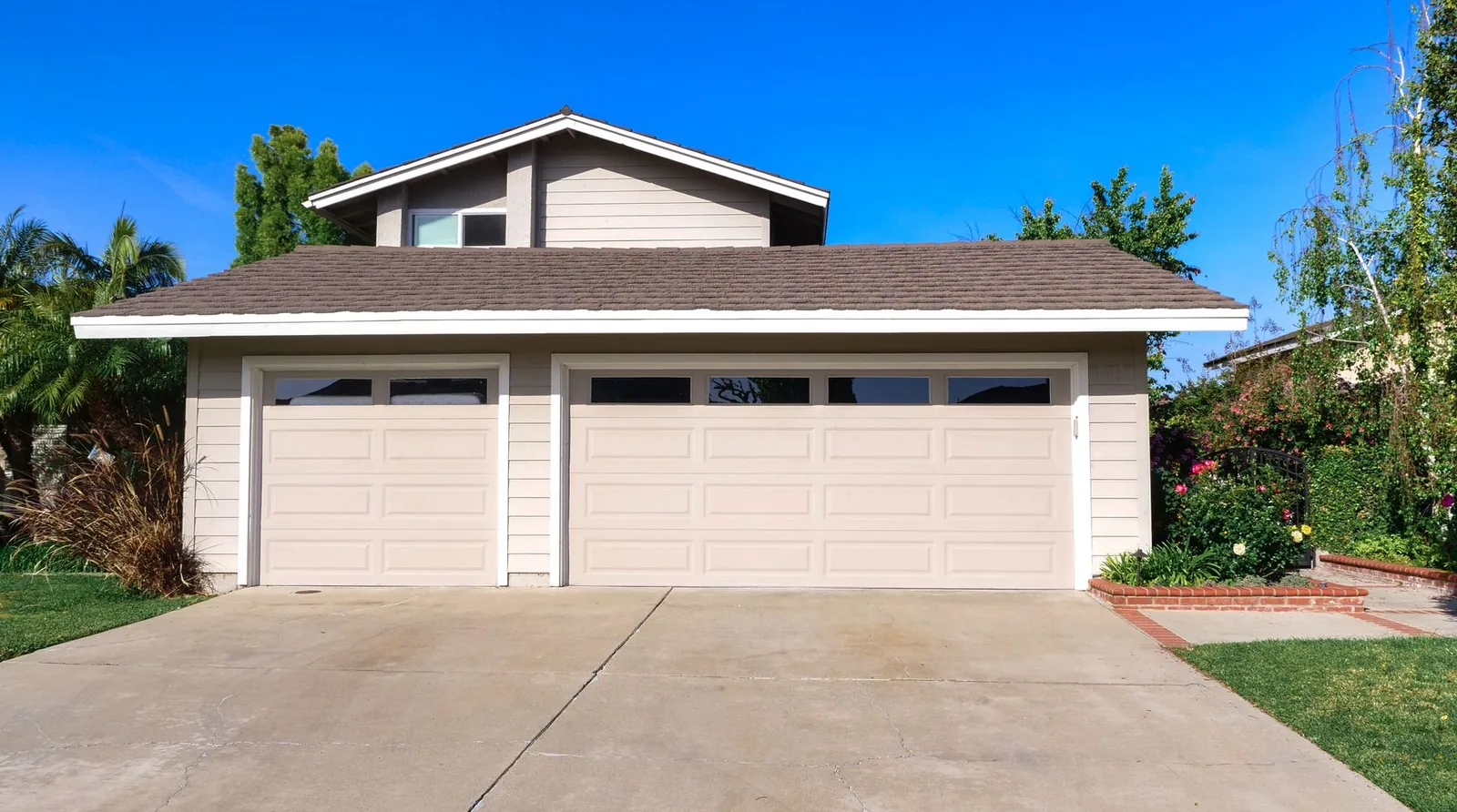
Driveways
New driveways, widenings, replacements and RV pads, laid out around what you park and built to handle salt and frost.
More on Driveways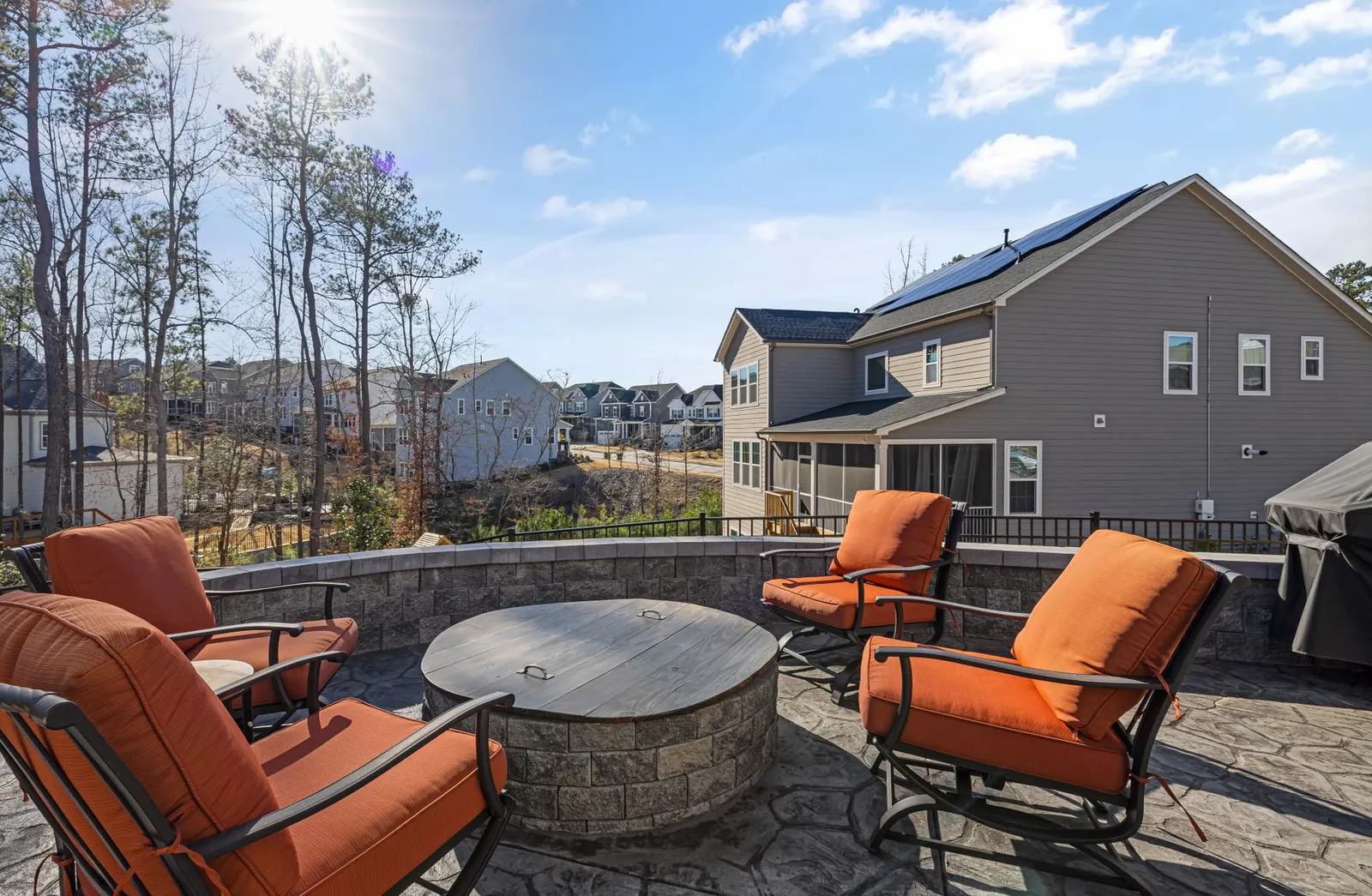
Retaining Walls
Block and poured concrete walls that turn a hillside into level yard, with the drainage behind them done right.
More on Retaining Walls
Where we work
Stamped Concrete in these towns
We build stamped concrete in Layton and across these northern Utah towns.
Davis County
Weber County
Morgan County
Box Elder County
Ready to price your stamped project?
Describe what you'd like built, roughly how big, and the town it's in. You'll get a callback from the contractor to go over the details and book a visit.