Sport Courts · Concrete Layton
Sport Court Contractor in Layton, UT
Pickleball, half-court basketball or both, on a slab built for play. Get your free estimate.
Sport Courts across Weber, Davis and Box Elder counties
Free Sport Court Estimate
Describe what you'd like built, roughly how big, and the town it's in. You'll get a callback from the contractor to go over the details and book a visit.
- Free estimates
- Residential and commercial
- Layton and nearby towns
- Built for Utah winters
Takes about a minute. Photos and rough sizes help.
Sport Courts
Sport Court Contractor for Layton, UT
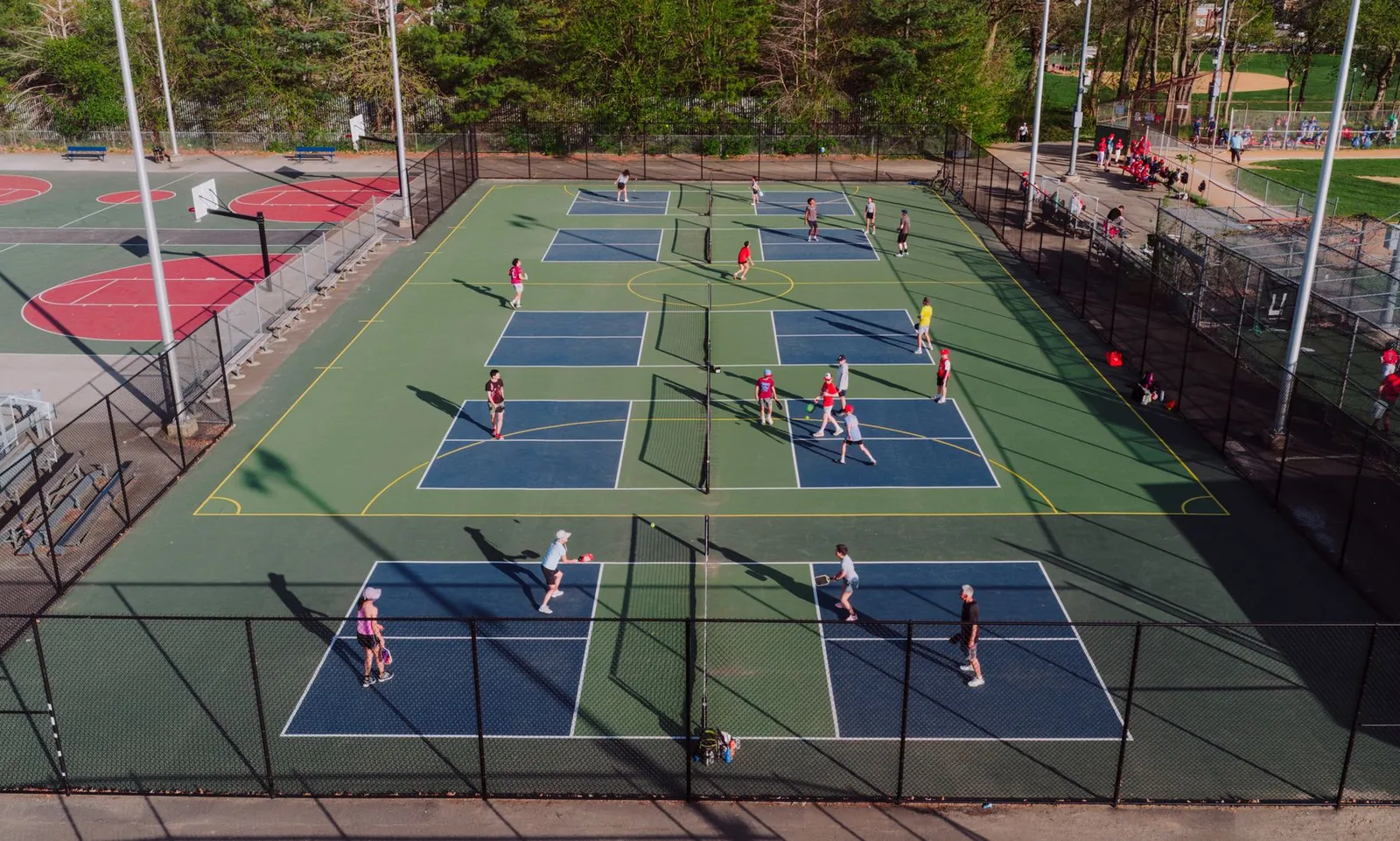
A backyard court changes how a family spends summer evenings, and the first decision is how much yard you're willing to give it. A regulation pickleball court plays on 20 by 44 feet, but players need room to move around it, so a full pad commonly runs about 30 by 60. A basketball half court can fit in less, especially if the hoop sits at the end of a driveway extension. Plenty of households split the difference with a multi-sport slab: pickleball lines over a key, with a hoop at one end. Which games will your family actually play?
Courts are less forgiving than patios, because a bouncing ball shows every flaw. The slab gets a compacted base, heavy steel and as few joints as practical, and it falls about 1 percent in a single direction so rain runs off instead of puddling in the kitchen zone. Pointing the long axis roughly north to south keeps the rising and setting sun out of players' eyes. After the concrete cures for several weeks, an acrylic court surface and lines go on. If a hoop is part of the plan, its footing is set with the slab so it reaches below the frost line.
What's included
What goes into sport courts
- 01
Pickleball courts
Full-size slabs with room around the 20 by 44 playing area, laid out north to south where the yard allows.
- 02
Basketball half courts
Pads sized for a key and some shooting room, with a footing for an in-ground hoop.
- 03
Multi-sport slabs
One pad lined for pickleball, basketball and four square, for families who want a little of everything.
- 04
Site prep and grading
Excavation, compaction and, on sloped lots, a retaining wall to create a level spot.
- 05
Reinforcement and drainage
Heavy steel throughout, minimal joints and a gentle one-way slope so water leaves the court.
- 06
Ready for surfacing
A cured, true slab prepared for an acrylic color coat and painted lines.
Ideas
Sport Courts: what they can look like
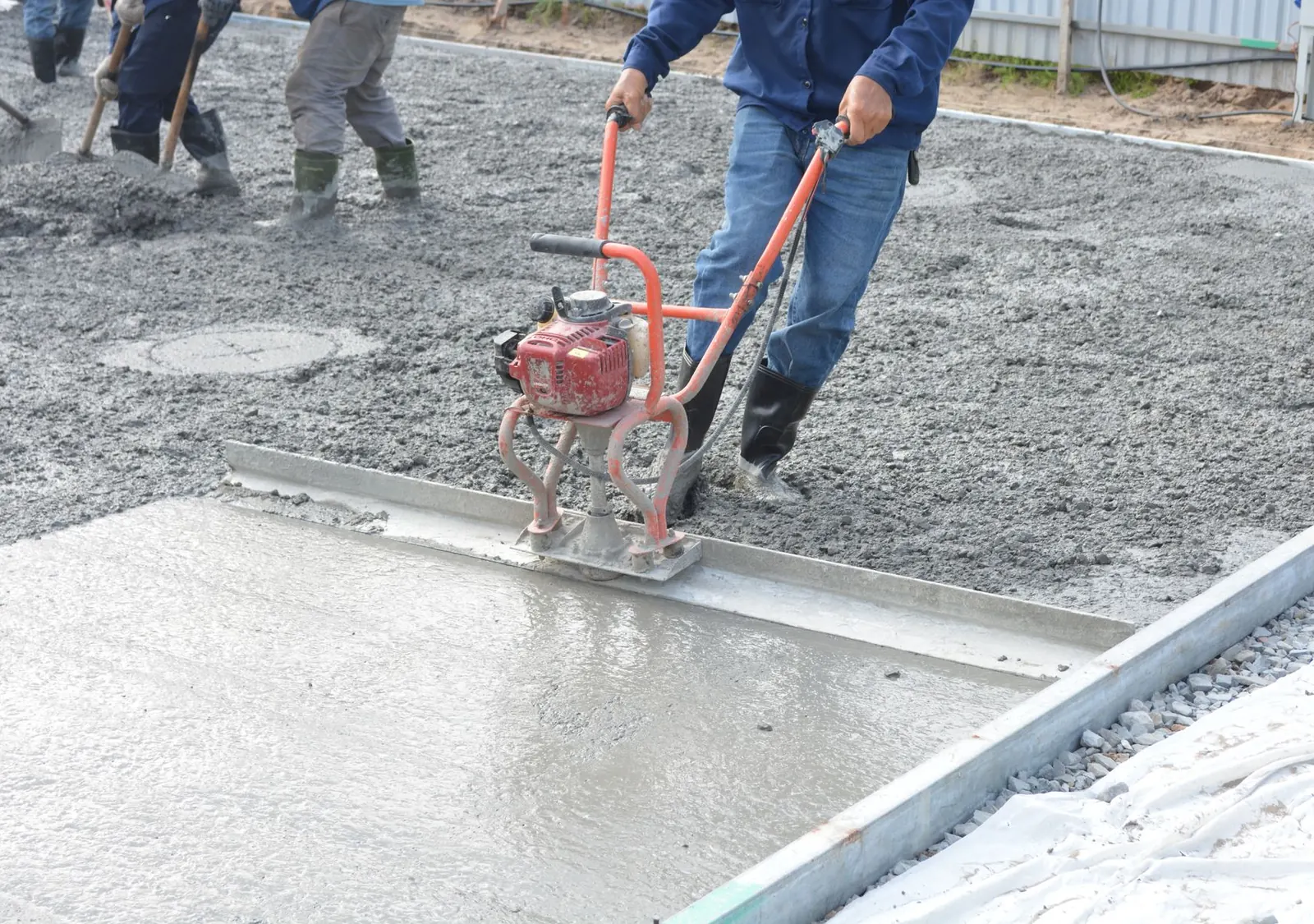
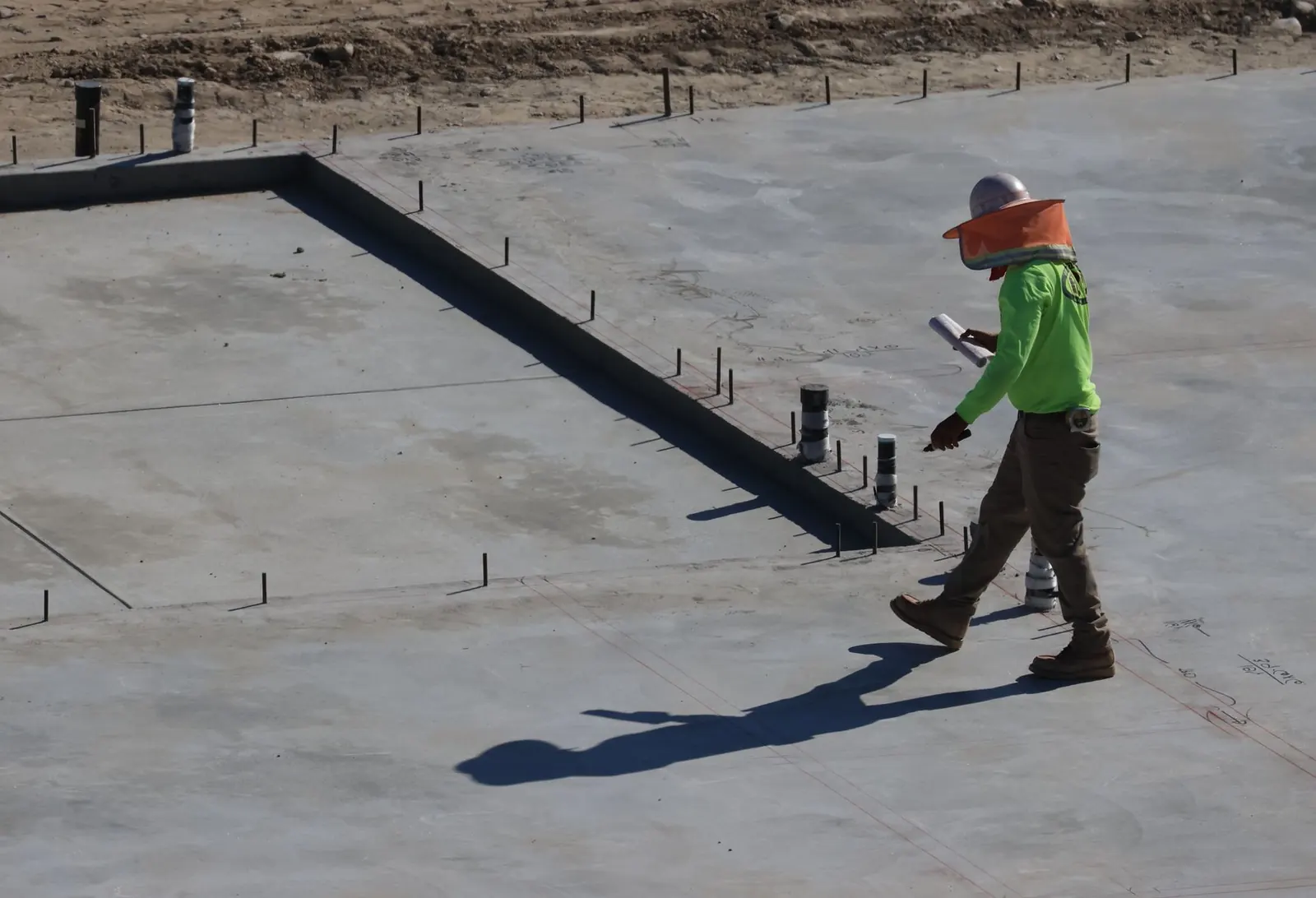
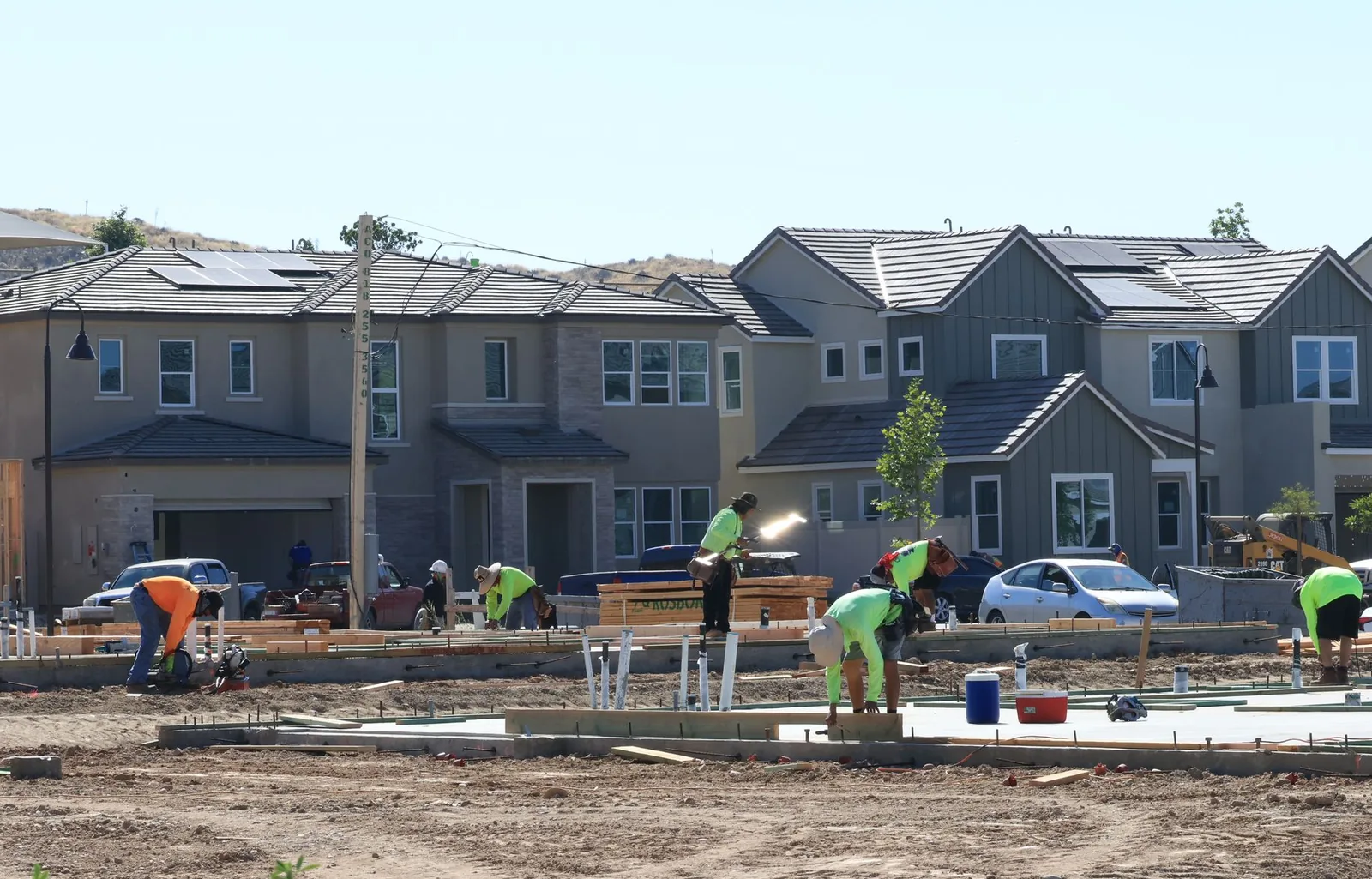
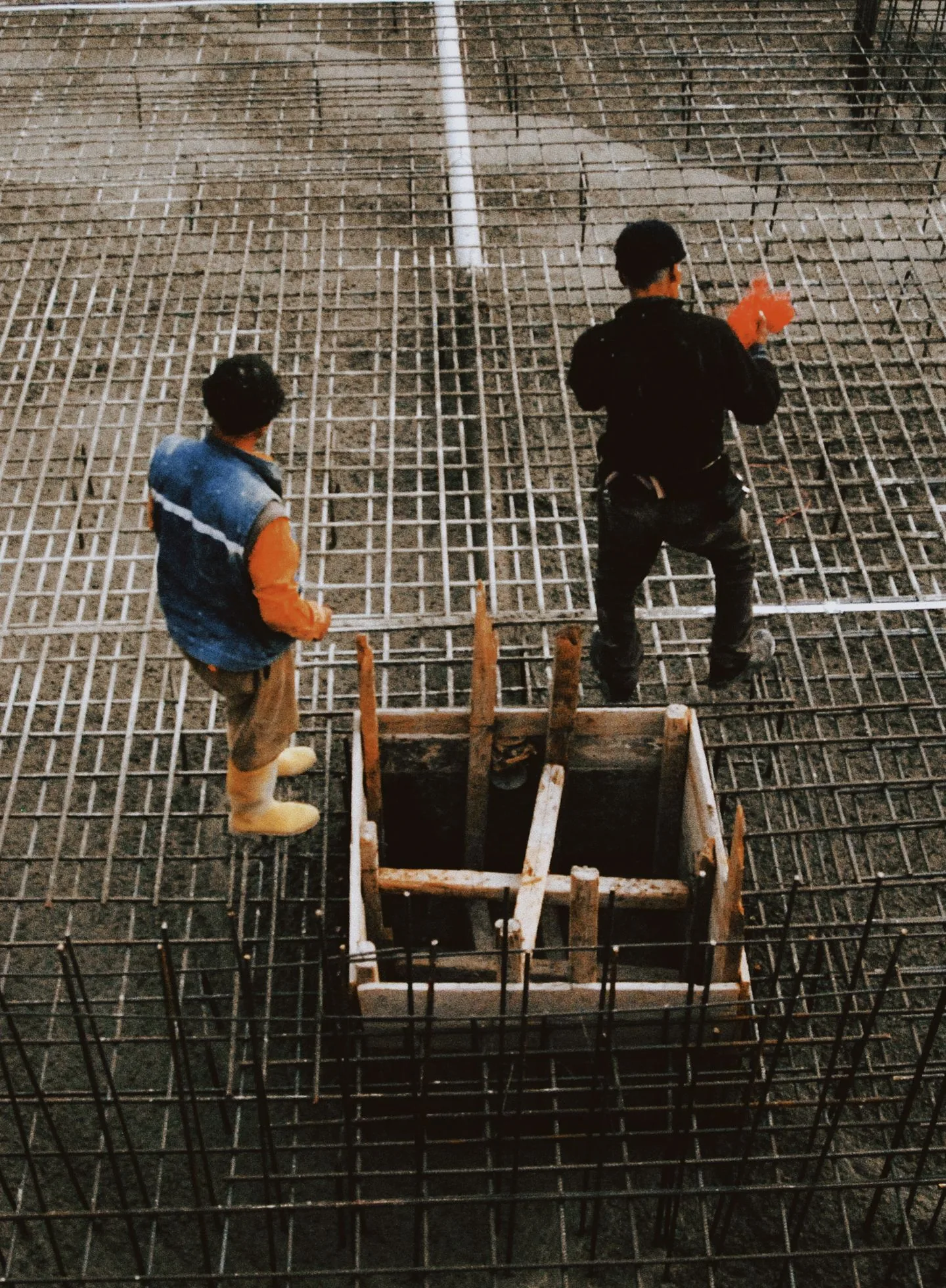
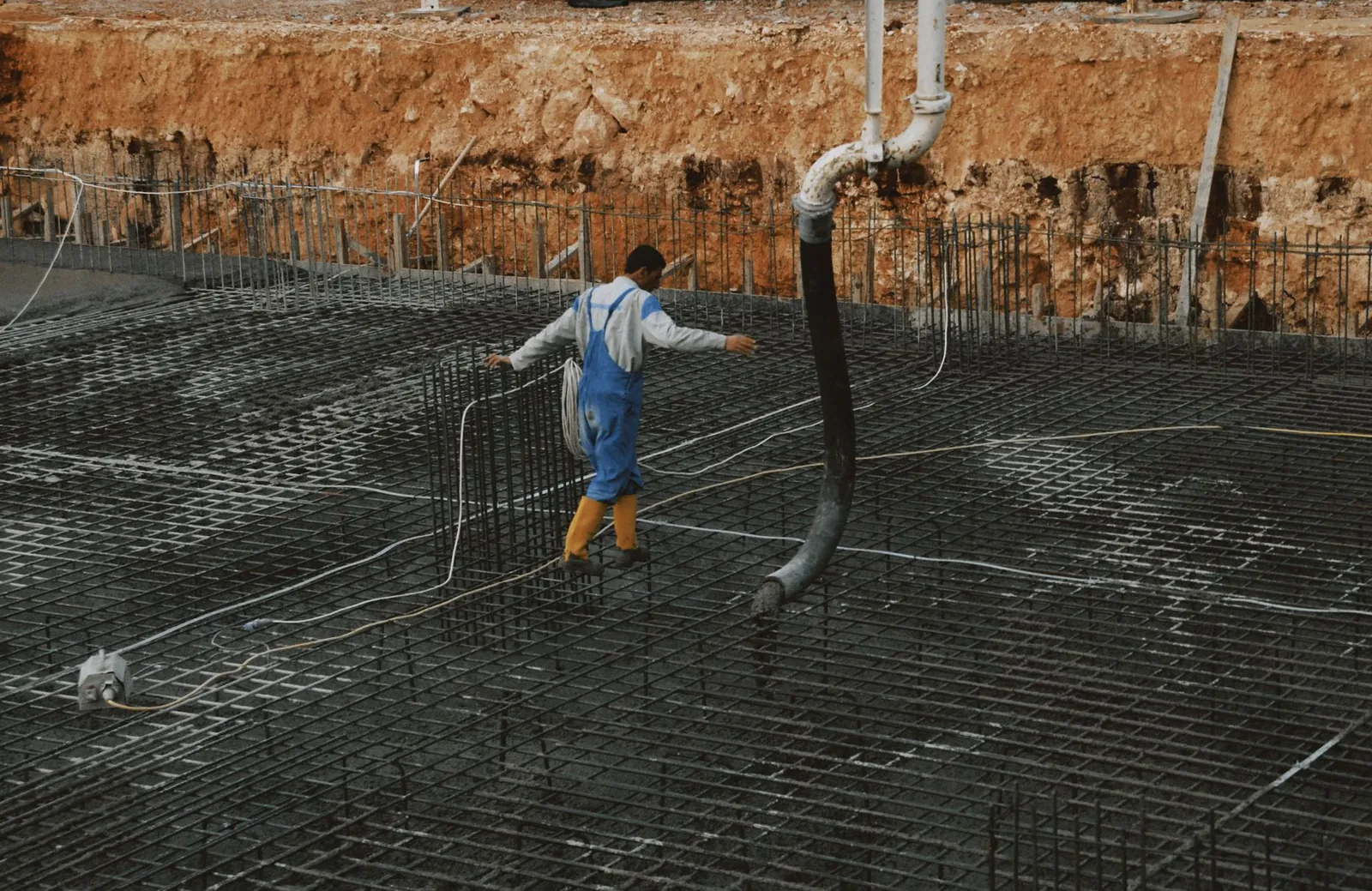
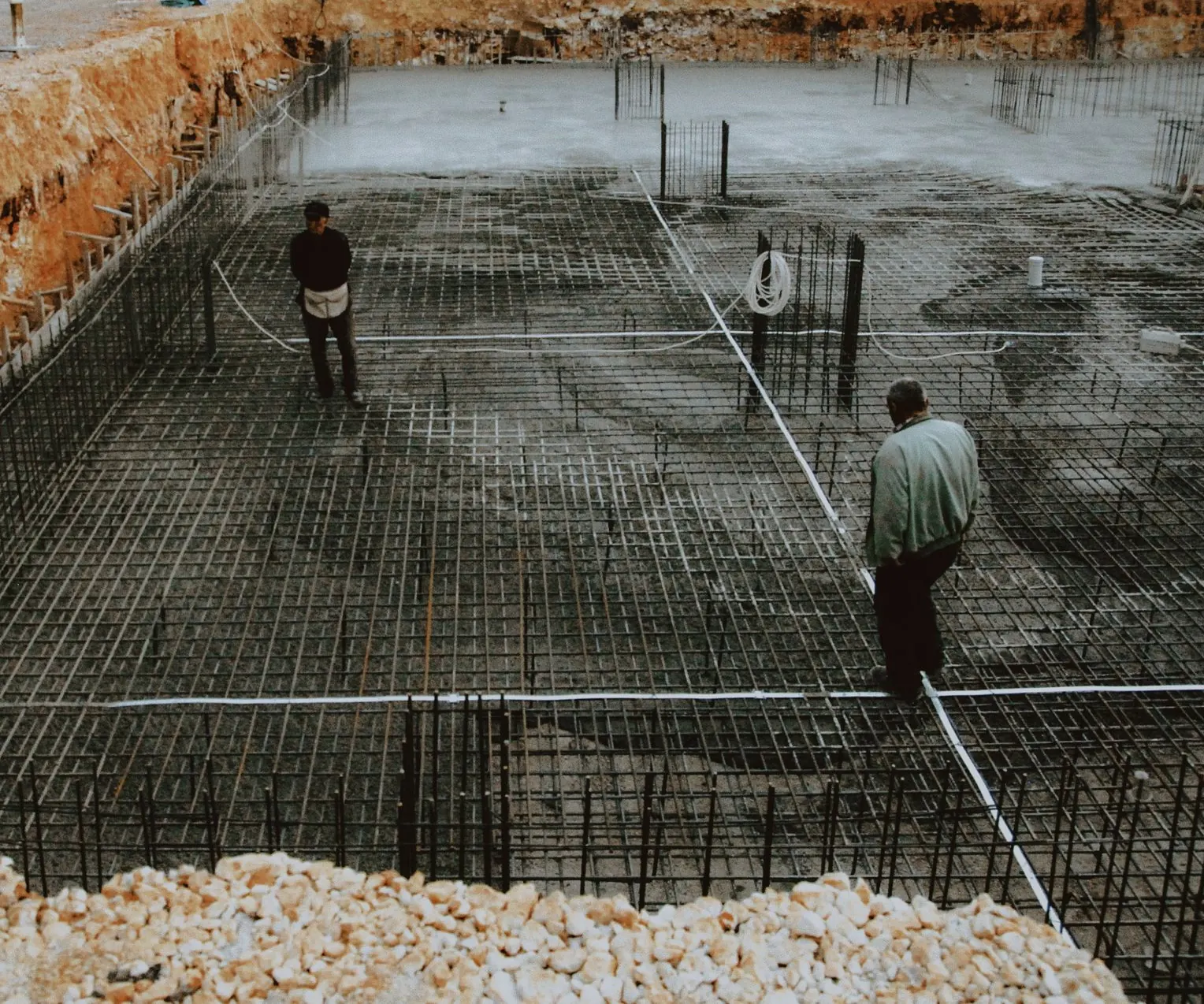
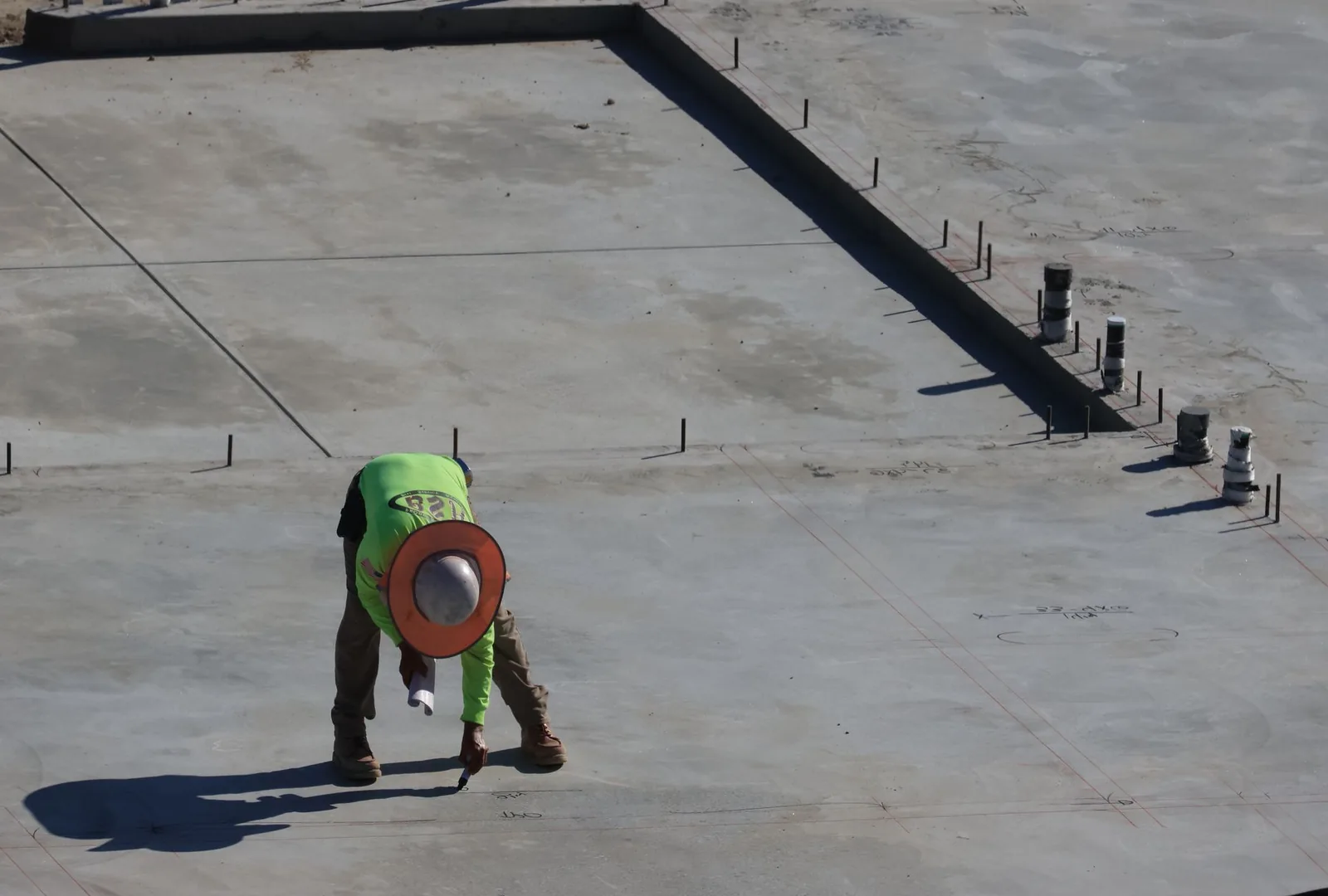
Example photos of this kind of concrete work.
How it works
How a sport court job works
- 1
Fit the court to the yard
We measure, check orientation and figure out how much grading or wall work a level pad will take.
- 2
Dig, compact and form
The area is excavated, the base compacted and the forms set to an exact 1 percent fall.
- 3
Pour over steel
Concrete goes over a dense grid of rebar, is finished smooth and gets as few joints as the slab allows.
- 4
Cure, then surface
The slab cures for several weeks before the acrylic surface and lines are applied.
Questions
Sport Courts FAQs
How does a concrete court handle Layton winters?
Well, if it's built to shed water. Snowmelt that pools on a court soaks in and freezes, which is how surfaces crack and peel, so the 1 percent slope and a solid base under the slab are what keep it playable in spring. Keep salt and metal shovel blades off the acrylic surface, and let most snow melt off on its own.
What affects the cost of a backyard sport court?
Size, site work and the surface. A level corner of the yard is a very different job from a slope that needs a retaining wall first, and long access routes or tight gates change how the concrete gets in. Hoop footings, the acrylic color system and extra lines for a second sport are part of the picture too.
Do I need a permit for a sport court?
Sometimes, depending on the city, the size of the slab, setbacks from property lines and any walls involved. HOAs in newer subdivisions often have rules about courts and what goes around them, so check your covenants early. Every court starts with an 811 call before the first shovel goes in.
Can a pickleball court fit in a typical Layton back yard?
Often, with some planning. The full pad is commonly around 30 by 60 feet, so measure your open space and check setbacks; if it comes up short, a smaller practice court or a multi-sport half court still gives plenty of play. On sloped bench lots, a retaining wall on one side is often what makes the room.
Which way should a court face?
Roughly north to south, if the yard allows it. That orientation keeps morning and evening sun out of the players' eyes, which matters most on long summer evenings. When the lot won't cooperate, trees or the house can help block low sun at one end.
Related work
You might also be planning
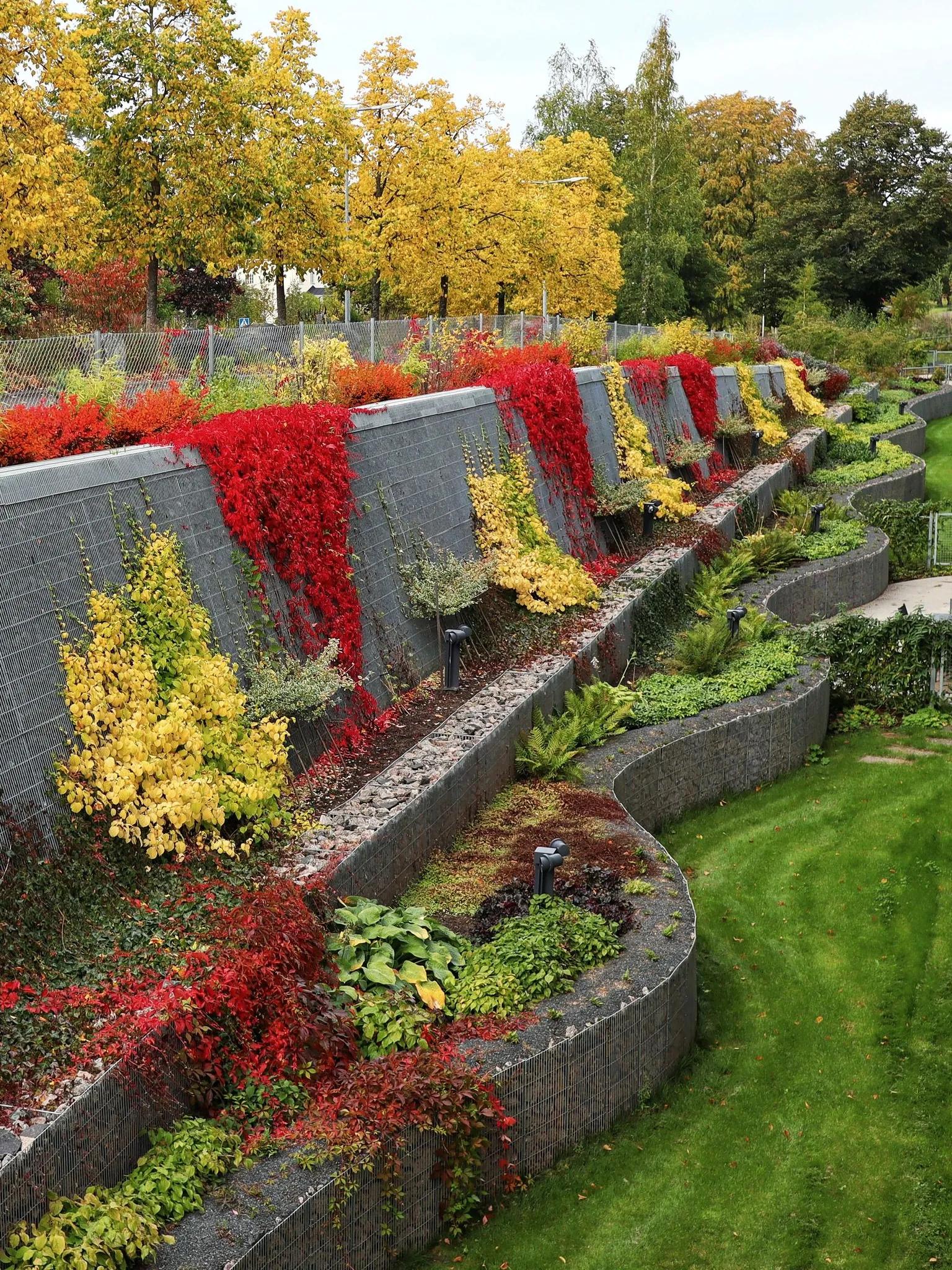
Retaining Walls
Block and poured concrete walls that turn a hillside into level yard, with the drainage behind them done right.
More on Retaining Walls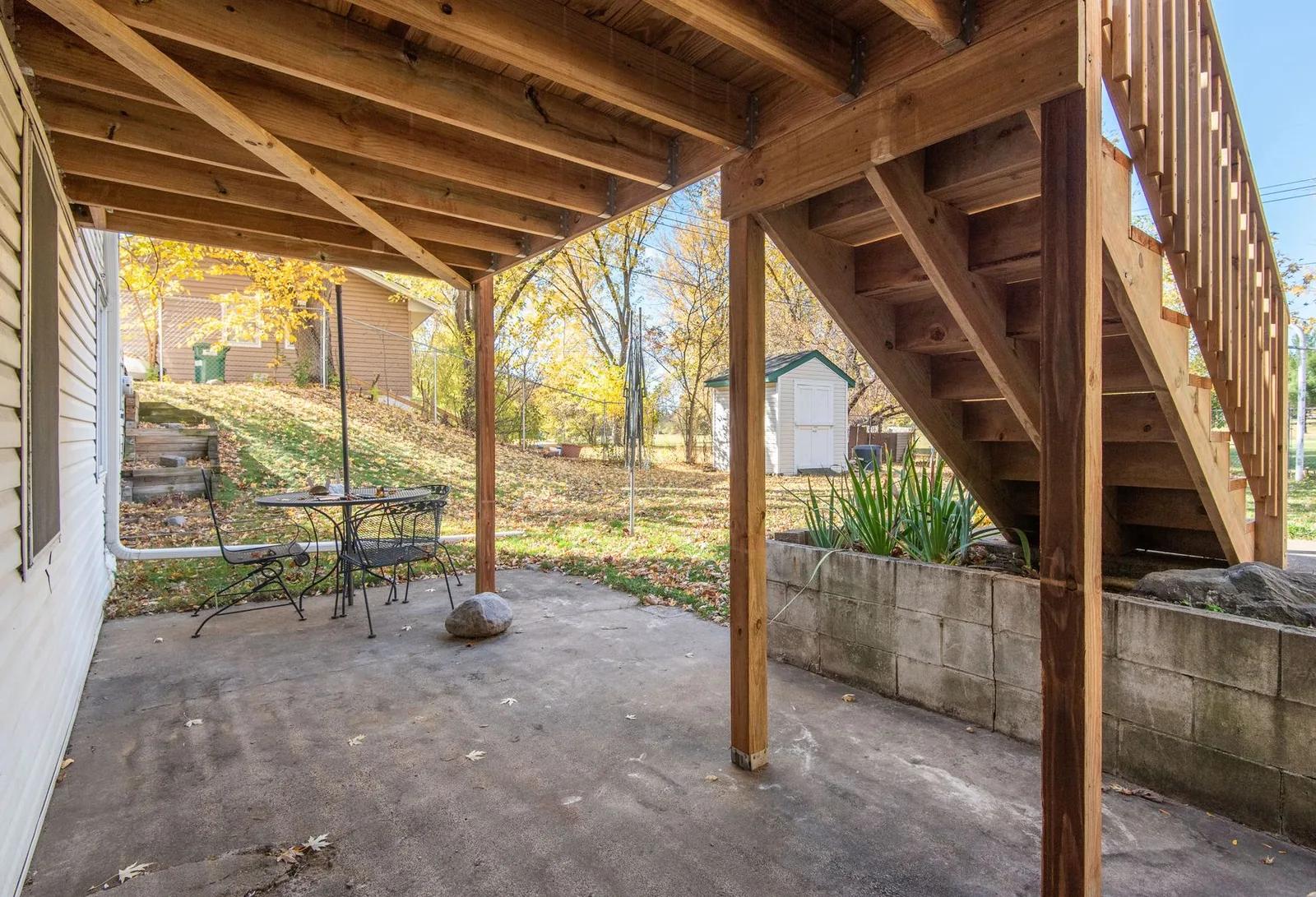
Patios
Back yard patios sized for real furniture, with room for the grill, a hot tub pad and a finish that suits the house.
More on Patios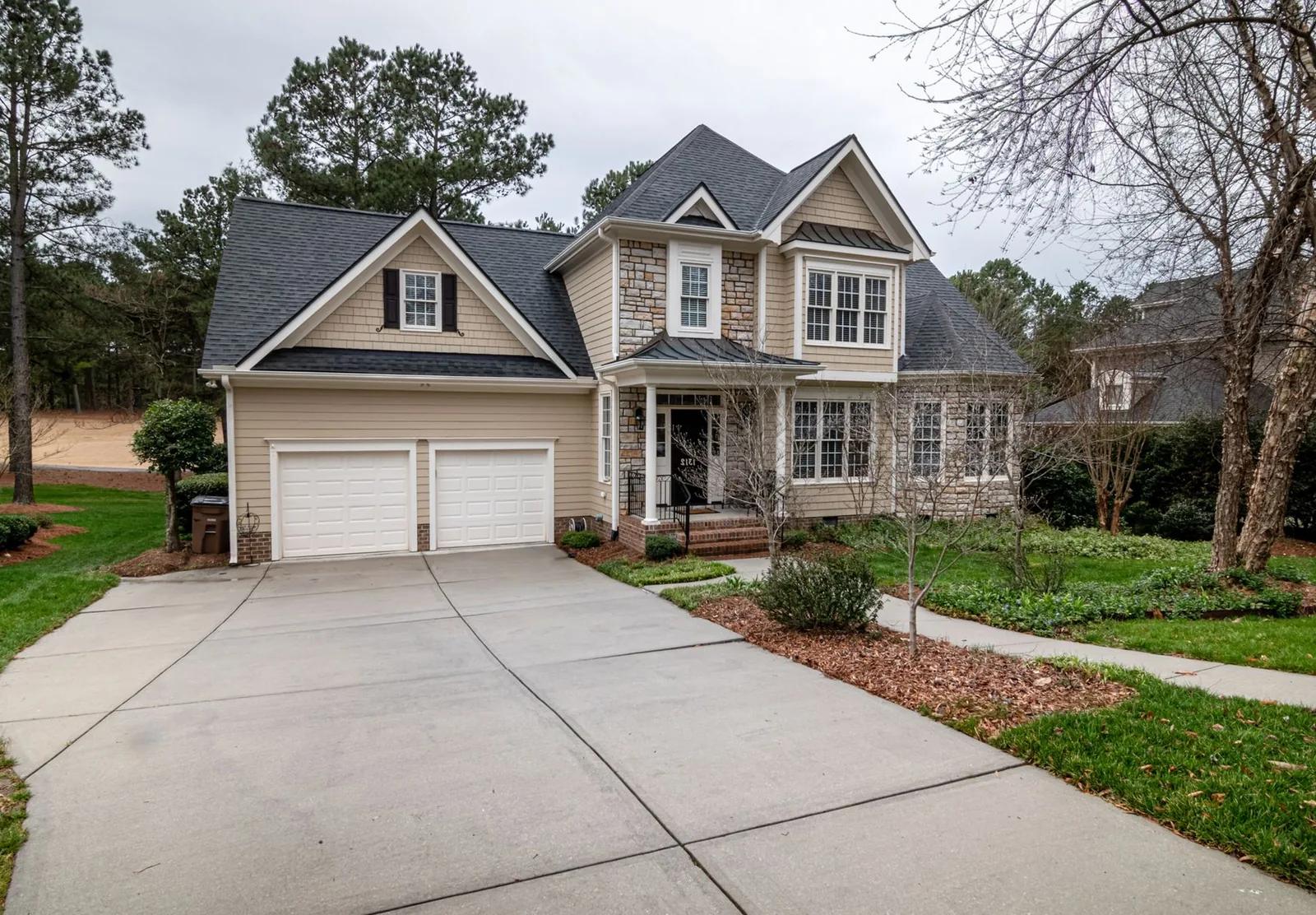
Driveways
New driveways, widenings, replacements and RV pads, laid out around what you park and built to handle salt and frost.
More on Driveways
Where we work
Sport Courts in these towns
We build sport courts in Layton and across these northern Utah towns.
Davis County
Weber County
Morgan County
Box Elder County
Ready to price your sport court?
Describe what you'd like built, roughly how big, and the town it's in. You'll get a callback from the contractor to go over the details and book a visit.